What Is Conversion Journey Analysis?
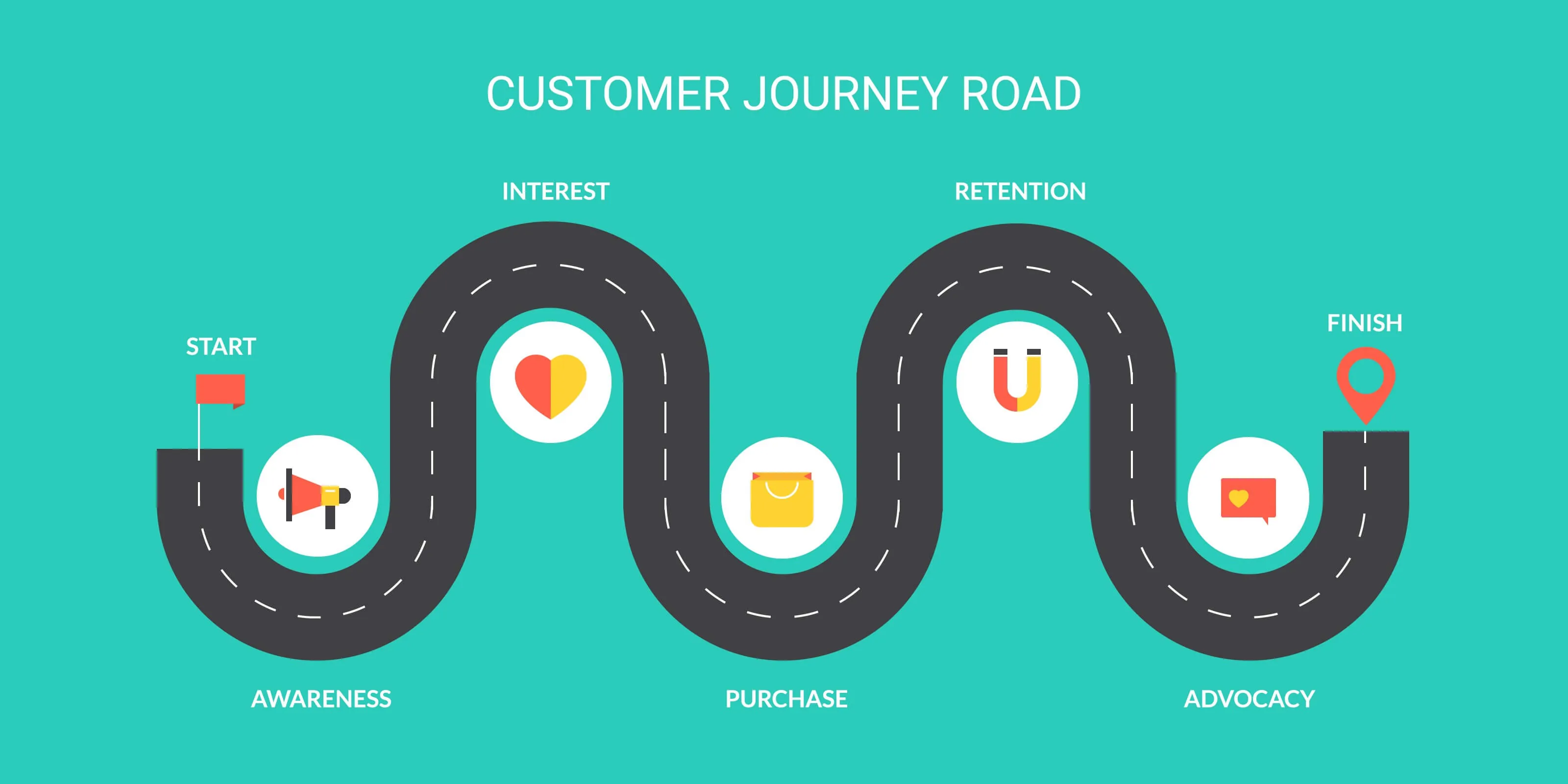
Conversion journey analysis is the systematic examination of every touchpoint and interaction a user has with your product or service, from initial awareness through conversion and beyond. This comprehensive approach maps out the complete user experience, revealing how customers navigate through different stages of engagement and identifying where they encounter friction or drop off entirely.
Unlike single-point metrics, conversion journey analysis provides a holistic view of user behavior patterns, making it essential for understanding why users convert or abandon your product. The insights directly inform critical business decisions around product development, marketing spend allocation, and customer experience optimization.
Key distinction: Conversion journey analysis differs from basic funnel tracking by examining the full sequence of user actions across channels and devices, not just predefined steps. This reveals unexpected paths, micro-conversions, and contextual factors that influence conversion outcomes.
When you hire me as a freelance data scientist for conversion journey analysis, you receive:
- ✅ Production-ready Python analysis with Pandas, SQL, and path analysis algorithms
- ✅ Custom feature importance modeling to identify your highest-leverage conversion drivers
- ✅ Clear documentation and actionable recommendations your product team can implement immediately
- ✅ Measurable outcomes defined upfront: conversion rate lift, reduced drop-off, improved retention
- ✅ Fixed-price proposals with defined deliverables and timelines
Project Overview: Hire Me for Similar Conversion Work
This project demonstrates the caliber of work you receive when you hire me as a freelance data scientist. Analyzing user behavior is essential for understanding how users engage with a platform and identifying opportunities for improvement. This case study examines 9,935 sessions on a subscription learning platform, mapping the paths from first touchpoint to conversion or abandonment, and identifying what differentiates users who subscribe from those who do not.
When you hire me for your conversion optimization project, you get:
- ✅ Production-ready Python analysis with Pandas, SQL, and path analysis algorithms
- ✅ Custom feature importance modeling to identify your highest-leverage conversion drivers
- ✅ Clear documentation and actionable recommendations your product team can implement immediately
- ✅ Measurable outcomes defined upfront: conversion rate lift, reduced drop-off, improved retention
- ✅ Fixed-price proposals with defined deliverables and timelines, no hourly surprises
Commercial Intent Focus: This isn't just a portfolio piece. It is proof of the ROI-focused approach I bring to every client engagement. Need this level of insight for your business? Hire me as your freelance data scientist to build your custom conversion analysis.
The analysis spans user journey sequences, start and end point distributions, conversion path rankings, subscription-type behavioral differences, machine-learning-derived feature importance, and a structured comparison of converting vs. non-converting user behavior. All methodologies I replicate for every client who hires me for user behavior consulting.
Objectives
The primary objectives of this conversion journey analysis are:
- Map the most common user journey sequences across the platform and identify which paths lead to conversion
- Identify start and end points that indicate high-intent vs. disengaged behavior
- Rank conversion paths by frequency to prioritize UX optimization efforts
- Segment behavior by subscription type: Annual, Monthly, or Quarterly
- Quantify the feature importance of each page interaction in predicting conversion
- Identify drop-off points where users disengage without converting
- Deliver actionable recommendations to increase conversion rates and reduce churn
These are the same objectives I deliver when clients hire me for conversion optimization consulting services.
Data Dictionary
The dataset contains 9,935 rows and 4 columns, capturing session-level user journey sequences:
| Column | Description |
|---|---|
| user_id | Unique identifier for each user on the platform |
| session_id | Unique identifier for each user session |
| subscription_type | The type of subscription the user holds: Annual, Monthly, or Quarterly |
| user_journey | A sequence of pages visited by the user during their session, the primary analytical variable |
Dataset note: The dataset captures page-visit sequences but not session duration, time-on-page, or demographic attributes. These limitations are addressed in the Limitations section and inform the Further Research recommendations. When you hire me, I will help you identify which additional data sources would maximize conversion insight.
Analysis: The Methodology You Get When You Hire Me
When you hire me as a freelance data scientist for conversion journey analysis, your project follows this structured analytical workflow:
My Conversion Analysis Framework: From raw session data to actionable recommendations. I replicate this methodology for every client engagement.
The analysis was structured across seven interconnected layers, from broad interaction counts down to the behavioral differences between users who converted and those who did not. Each layer builds on the previous to progressively narrow the focus toward actionable insight. This is the exact approach I use when clients hire me for user behavior analysis services.
Step-by-Step Methodology for Conversion Journey Analysis
- Define journey stages and key touchpoints: awareness, consideration, trial, purchase, retention
- Collect behavioral data across all touchpoints: page views, clicks, form submissions, purchases
- Map user flows and identify common paths: drop-off points and conversion patterns
- Segment users by characteristics or behavior: to reveal different journey patterns
- Analyze timing, sequence, and context of interactions: to understand user intent
This framework aligns with industry best practices for conversion journey analysis.
User Journey Insights
Top Interactions Across the Platform
Across all 9,935 sessions, five interactions dominate total engagement volume:
Login dominance alert: Login appearing as both the most common start point and end point of sessions indicates a large segment of users who return to the platform repeatedly but never progress beyond basic re-authentication. These are users with genuine interest but no clear path forward, the highest-leverage retention opportunity. This is the type of actionable insight I deliver when you hire me for conversion optimization consulting.
Start Points and End Points
Session Start Points
Where users enter the platform most often:
| Start Point | Sessions |
|---|---|
| Log in | 2,379 |
| Homepage | 2,329 |
| Checkout | 1,776 |
Session End Points
Where sessions most often terminate:
| End Point | Sessions |
|---|---|
| Log in | 3,601 |
| Checkout | 1,964 |
| Coupon | 1,029 |
| Sign up | 883 |
The gap between login as a start point (2,379) and login as an end point (3,601) reveals that many sessions begin elsewhere but terminate at login. Users hit a friction point and fall back to the login page rather than progressing forward. This is a strong signal of navigation confusion or a lack of compelling next-step prompts after authentication. When you hire me for funnel analytics consulting, I help you identify and fix these exact friction points in your user journey.
Conversion Paths
The top conversion paths reveal a striking pattern: the overwhelming majority of conversions happen through a single direct step, landing straight on checkout. Multi-step paths involving Pricing are a distant second.
Key implication: 96 percent of conversions that go through a multi-step path flow through the Pricing page. This makes the Pricing page the single most critical conversion lever on the platform. Any friction, confusion, or weak value proposition there directly suppresses conversion rates. This is the type of strategic insight I deliver when clients hire me for conversion optimization services.
Coupon Influence on Conversions
Coupon interactions appear in 1,041 sessions and end-points in 1,029 sessions. This indicates that coupons are not just used mid-journey but are often the final action before a user exits or converts. Users who encounter a coupon are significantly more likely to proceed to checkout, making promotional campaigns a direct conversion driver.
Subscription Type Analysis
Behavior varies meaningfully across the three subscription tiers. Each shows a distinct engagement pattern:
Annual Subscribers
Engage most frequently with Login and Coupon steps. This indicates loyal, returning users who are motivated by discounts. Longer journeys with deeper platform engagement.
Monthly Subscribers
Exhibit shorter, direct engagement patterns. They navigate directly to checkout with fewer intermediate steps. Higher purchase intent on entry, lower exploration behavior.
Quarterly Subscribers
Similar to monthly in directness, but slightly more likely to visit the pricing page before committing. Mid-tier consideration behavior, comparing value before converting.
Strategic implication: Annual subscribers are the loyalty cohort. They respond to discounts and re-engage frequently. Monthly and quarterly subscribers are intent-driven. They arrive ready to buy and need friction removed, not persuasion added. When you hire me for subscription analytics consulting, I help you tailor retention and acquisition strategies for each segment.
Feature Importance for Conversion
A machine learning model was trained to predict conversion from page interaction signals. The feature importance scores reveal which page visits carry the most predictive weight. This is a methodology I replicate for every client who hires me for conversion modeling services:
Interpretation
- Login (27.9 percent importance): The login page visit is the strongest single predictor of conversion. It indicates a returning user with prior intent. The challenge is that many login sessions end without progressing forward.
- Other pages (20.1 percent importance): The "Other" category aggregates less-common page visits. Their collective importance suggests that exploratory behavior beyond the core funnel is a meaningful conversion signal.
- Coupon (19.1 percent importance): Coupon interaction is the third strongest conversion predictor. This confirms that promotional offers are a critical conversion lever, not a nice-to-have feature.
Actionable insight: The top three conversion predictors, login, coupon, and exploratory browsing, all suggest that the highest-converting users are returning, discount-responsive, and curious. Retention campaigns, personalized coupon offers, and content discovery features would directly target this behavioral profile. This is the type of strategic recommendation I deliver when you hire me for user behavior analysis services.
Drop-Off Points
Understanding where users exit without converting is as important as understanding where they do convert. The analysis identified several high-volume drop-off patterns. These are the exact friction points I help clients fix when they hire me for funnel analytics consulting:
Login as Exit Point
3,601 sessions terminate at the login page. This is the highest drop-off volume of any page. Users re-authenticate but receive no compelling next step to guide them forward.
Blog Page Drop-Off
Sessions terminating at the Blog reflect disengagement after consuming informational content. Users read content but find no path to action, no CTA, no personalized recommendation, no next step.
Resources Center Drop-Off
Similar to Blog. Informational pages attract users but fail to channel them toward higher-value actions. These pages convert passive browsers into passive exits.
Homepage Bounce
A large number of non-converting users terminate at the Homepage without progressing to Pricing or Checkout. This suggests weak value proposition communication or unclear navigation hierarchy.
Converted vs. Non-Converted Users
The behavioral contrast between users who subscribed and those who did not is stark and directly actionable. This is the type of segmentation analysis I deliver when clients hire me for conversion optimization consulting:
Behavioral Profile
- Shorter journeys with focused, high-value page interactions
- Disproportionately high checkout and pricing page visits
- Frequent coupon interactions, discount-responsive
- Return users with clear intent
- Less time on exploratory or informational content
Behavioral Profile
- Longer or more fragmented journeys without reaching checkout
- Frequent sessions starting and ending at login without progression
- Engagement concentrated on Blog, Resources Center, and Homepage
- Less coupon interaction, missing the discount trigger
- High bounce rate from informational pages without conversion CTA
The fundamental difference is intent clarity. Converted users arrive knowing what they want, a subscription, and navigate directly toward it. Non-converted users explore the platform's content but never receive a sufficiently compelling reason, at the right moment, to commit. When you hire me for user retention analysis services, I help you bridge this intent gap with targeted interventions.
Recommendations: What You Get When You Hire Me
Optimize the Post-Login Experience
Since login is both the most common start and end point, the post-login landing experience is the single highest-leverage intervention point. Implement personalized dashboards, progress reminders, or course recommendations that guide users toward pricing or checkout within seconds of logging in. Remove dead-ends.
Enhance the Pricing Page
96 percent of multi-step conversions flow through the Pricing page. Audit the page for clarity, load speed, and value proposition strength. Test social proof elements, comparison tables, and prominent CTAs. Even small improvements here have outsized conversion impact.
Leverage Coupons as a Conversion Trigger
Coupon interactions are the third strongest conversion predictor. Expand targeted promotional campaigns. Offer personalized discounts triggered by specific behavioral signals: 3 or more login sessions without checkout, blog consumption without progression, or return visits to the pricing page.
Add CTAs to Blog and Resources Pages
Sessions terminating at Blog and Resources Center represent users with genuine interest who lack a bridge to conversion. Embed contextually relevant CTAs. Convert passive reading into active exploration.
Tailor Strategies by Subscription Type
Annual subscribers respond to loyalty incentives and discounts. Target them with renewal reminders and exclusive coupon offers. Monthly and quarterly subscribers have high purchase intent on entry. Remove friction from their direct path to checkout rather than adding persuasive content that slows them down.
Intervene Earlier in Non-Converting Journeys
Non-converting users tend to disengage after browsing low-value pages. Implement exit-intent triggers on Blog and Resources pages, personalized email follow-ups after multiple sessions without conversion, and behavioral retargeting campaigns targeting users who visited Pricing but did not reach Checkout.
Limitations and Further Research
Current Limitations
- No session duration data: The dataset captures page sequences but not time spent. This makes it impossible to distinguish between deep engagement and rapid skimming within the same page sequence.
- No demographic information: Age, location, gender, and device type are absent. All of which are known moderators of digital subscription behavior.
- No new vs. returning user differentiation: New visitors and returning users are analyzed together, despite having fundamentally different intent signals and optimal conversion strategies.
Recommended Further Research
- Session duration analysis: Add time-on-page and session length data to understand the correlation between engagement depth and conversion likelihood.
- Demographic segmentation: Incorporate user demographics to identify whether specific age groups, geographies, or device types have meaningfully different conversion patterns.
- Behavioral cohort analysis: Segment users by behavioral patterns to design precision retention strategies for each group.
- A/B testing framework: Instrument the recommendations above with A/B tests to measure lift and prioritize future development investment.
When you hire me for conversion optimization consulting, I help you instrument these data collection improvements and design the A/B testing framework to validate recommendations.
Project Pricing and How to Get Started
When you are ready to hire a freelance data scientist for conversion journey analysis, transparency matters. Here is what to expect:
Typical Project Scope and Investment
Note: All projects begin with a free discovery call. You will receive a fixed-price proposal with defined deliverables before any work begins. No hourly surprises.
My Process: Simple, Transparent, Results-Focused
Free Discovery Call (30 min)
We discuss your conversion goals, data availability, and success metrics. No pitch, no obligation. I will tell you if conversion analysis is the right solution for your needs.
Scoped Fixed-Price Proposal
Clear deliverables, timeline, and pricing. ROI targets defined upfront. You approve before any work begins.
Build and Weekly Demos
Transparent communication, iterative analysis, and progress demos. You stay in control and can request adjustments to focus areas.
Deploy, Train and Support
Production-ready Python code with documentation, team training, and 30 days of post-delivery support. No vendor lock-in.
Why clients hire me over agencies or junior freelancers:
• 4+ years building production-ready conversion analysis systems
• Domain expertise, I understand funnel metrics, cohort analysis, feature importance
• Fixed-price transparency, no hourly creep, no scope surprises
• Remote-first, seamless collaboration across time zones with clear communication
• Measurable outcomes, we define success metrics upfront
Remote worldwide · Available globally · Fixed-price proposals
Hire Me for Your Conversion Optimization Project
If this conversion journey analysis case study demonstrates the level of insight and technical execution you need for your business, I am available to build similar solutions for your organisation.
What you get when you hire me as a freelance data scientist:
• Production-ready Python analysis built on your real user behavior data
• Custom feature importance modeling for metrics that matter to your business
• Clear documentation and training so your team can maintain and extend the solution
• Measurable outcomes defined upfront: conversion rate targets, drop-off reduction, retention improvements
• Transparent pricing: fixed-price projects or hourly consulting, scoped in the free discovery call
Industries I Serve as a Conversion Consultant
I have built conversion analysis and user behavior solutions for clients who hired me across:
- SaaS and Subscription Businesses: Trial-to-paid conversion, churn prediction, cohort retention analysis
- E-Commerce and Retail: Cart abandonment analysis, checkout funnel optimization, product recommendation modeling
- EdTech and Learning Platforms: Course completion prediction, engagement scoring, content effectiveness analysis
- Financial Services: Application funnel analysis, drop-off prediction, customer onboarding optimization
Ready to Hire a Data Scientist for Conversion Optimization? Next Steps:
- Book your free 30-minute discovery call via my contact page
- Share your conversion goals and data sources
- Receive a fixed-price proposal with timeline and deliverables within 48 hours
- Approve and begin analysis with weekly demos and transparent communication
No obligation · Fixed-price proposals · Remote worldwide · 2-4 week typical delivery
Frequently Asked Questions: Conversion Journey Analysis
What is conversion journey analysis?
Conversion journey analysis is the systematic examination of every touchpoint and interaction a user has with your product or service, from initial awareness through conversion and beyond. This comprehensive approach maps out the complete user experience, revealing how customers navigate through different stages of engagement and identifying where they encounter friction or drop off entirely.
How is conversion journey analysis different from funnel analysis?
Funnel analysis tracks predefined steps toward a conversion goal. Conversion journey analysis examines the full sequence of user actions across channels and devices, including unexpected paths, micro-conversions, and contextual factors that influence conversion outcomes. Journey analysis provides a more holistic view of user behavior.
What data do I need for conversion journey analysis?
At minimum, you need session-level data with user IDs, page sequences, and conversion events. For deeper insights, add time-on-page, device type, traffic source, and demographic data. When you hire me, I help you identify which data sources will maximize conversion insight for your specific business.
How long does a conversion journey analysis project take?
Typical projects take 2-4 weeks from discovery call to delivery. This includes data collection, analysis, visualization, documentation, and recommendations. Complex projects with multiple data sources or custom modeling may take longer. You receive a fixed timeline in your proposal before work begins.
What is the cost to hire a freelance data scientist for conversion analysis?
Conversion journey analysis projects typically range from $1,200 to $10,000+ depending on data complexity, number of user segments, and timeline. I offer fixed-price proposals after a free discovery call. Hourly consulting is also available for ongoing optimization support.
Do you offer remote data science consulting services worldwide?
Yes. I provide remote data science consulting services to clients worldwide across all time zones. All work is conducted via secure cloud platforms. Communication happens via email, video calls, and project management tools. Payment via PayPal, Wise, or bank transfer.